
The Link- Encouraging Your Friends Members to Vote!

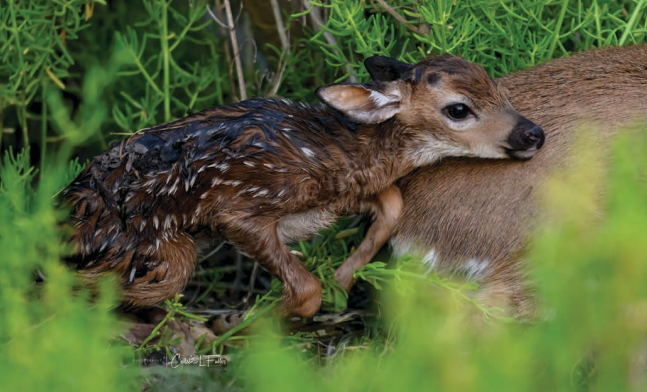
The format of The Link has changed. CORFA is now sharing an article from a Friends’ newsletter every few weeks. This week we have a seek peak into the Florida Keys Wildlife Society’s fall newsletter. Phil Dodderidge shared with CORFA his opinion piece about why it is important for their members to vote. Phil, thanks for sending us this compelling article.
Florida Keys Wildlife Society supports Crocodile Lake, National Key Deer, Great White Heron, and Key West NWRs through education, non-adversarial advocacy, volunteerism, and fundraising.
The Refuges Need Your Vote: Keys’ Nature Depends On It
by Phil Dodderidge, FKWS Board Member
In November, voters will make choices that will determine the future of the Florida Keys Wildlife Refuges’ 208,308 acres of land and water. Your vote on November 3, 2026, is the most direct mechanism for citizens to safeguard these critical public lands.
The Direct Link Between Voting and Public Lands
The health of national wildlife refuges, including those in the Keys, depends on elected officials who control federal funding and environmental legislation. Congress determines the annual budget for the U.S. Fish and Wildlife Service, the agency tasked with managing the refuge system. This funding directly impacts staffing levels, habitat restoration projects, law enforcement on public lands, and public education programs.
When we vote in federal elections, we choose the lawmakers who hold the power of the purse, either for good or …not.. With proper funding, our refuges can combat invasive species, restore degraded wetlands, and maintain trails for the public. Conversely, a lack of legislative support leads to budget cuts, closed areas, dangerous, unmaintained infrastructure, and reduced protections for vulnerable flora and fauna ecosystems.
Protection for Threatened and Endangered Species
National wildlife refuges provide sanctuary for more than 380 threatened or endangered species, including 23 just in the National Key Deer Refuge. From the Florida panther to the Key Deer to the whooping crane, these lands provide the specific habitats necessary for endangered species to survive and recover.
Climate change, urban sprawl, and habitat fragmentation threaten these lands daily. When we vote, we elect leaders who decide whether to maintain, strengthen, or weaken the Endangered Species Act and other bedrock environmental laws, or … not. Supporting candidates who value conservation ensures that refuges retain their legal protections and the resources needed to shield species from extinction.
Preserving Biodiversity and Ecosystem Services
Wildlife refuges also provide essential services to human communities. Wetlands within refuges act as natural sponges that absorb floodwaters and protect nearby populated areas from storm surges. Forested refuges filter drinking water and sequester massive amounts of carbon, helping to mitigate the impacts of global climate change. When we vote to elect leaders who will safeguard these areas through the ballot box, we protect global biodiversity. Your vote on November 3 is critical to enact policy choices that recognize nature as vital infrastructure.
Economic Benefits to Local Communities
National wildlife refuges are powerful economic engines that generate billions of dollars in economic activity annually through eco-tourism. Ecotourism and ocean recreation are massive drivers in the Florida Keys. Visitors spend roughly $3.5 billion annually in Monroe County. Studies from Visitfloridakeys.com show that ecotourism within the Florida Keys exceeds $2.3 billion in annual sales and supports over 23,000 local jobs. Refuge visitors travel here each year for birdwatching, hiking, photography, kayaking, sailing, scuba diving, and fishing. This tourism fuels local economies by supporting small businesses, hotels, restaurants, and outdoor outfitters.
When you vote on November 3, please vote for elected officials who support the Land and Water Conservation Fund (LWCF), which allows the refuge system to acquire critical inholdings from willing sellers, expanding public access and boosting local economies. November 3, please vote for candidates who understand the economic value of conservation.
Securing Public Access and Outdoor Heritage
The National Wildlife Refuges in the Keys provide unparalleled opportunities for our visitors to connect with the natural world. Unlike some public lands focused solely on preservation, refuges emphasize wildlife-dependent recreation, and they provide safe, accessible spaces for families to experience wilderness.
Decisions made by elected officials influence whether these lands have the budget to remain open and accessible in the near term and for future generations. Your vote determines whether public lands stay in public hands or face pressure for privatization and unsustainable resource extraction.
Combating the Impacts of Climate Change
Climate change poses an existential threat to habitats worldwide, and wildlife refuges are on the front lines. Rising sea levels threaten coastal refuges, while shifting weather patterns alter the vegetation and water availability. Addressing these challenges requires forward-thinking policy and robust federal investment in climate resilience.
Voters in November will decide which climate strategies the nation will pursue. When you vote, please select leaders committed to science-based land management that allows refuges to implement adaptive strategies, such as building living shorelines and creating wildlife corridors that allow species to move as habitats shift.
Your Vote is a Voice for the Land
Wildlife, clean water, and pristine forests cannot advocate for themselves in the halls of government. Your vote is their proxy at the ballot box. Public lands belong to all Americans, making their preservation a shared democratic responsibility.
Elections are frequently decided by slim margins, meaning every individual vote can shape
environmental policy for years to come. Casting your ballot on November 3, 2026, provides a clear, actionable way to protect biodiversity, support our Keys economy, and ensure our Keys’ unique natural heritage endures.
Responses